What Does Homeowners Insurance Cover? A Practical Guide
A practical breakdown of what homeowners insurance typically covers, from dwelling and personal property to liability and additional living expenses.

- A standard homeowners policy is generally built from several distinct coverage categories, not one single blanket protection.
- Coverage is typically triggered on either a named-peril basis (only listed causes are covered) or an open-peril basis (everything is covered except what's specifically excluded).
- Exactly what's covered for you depends on your policy form, any endorsements, exclusions, limits, and deductibles — not on general descriptions like this one.
- Liability and medical payments coverage protect you if someone else is injured or their property is damaged, not just your own home and belongings.
This article is for general informational purposes and does not constitute financial, insurance, legal, or tax advice.
Table of Contents
- The Six Core Parts of a Homeowners Policy
- Dwelling Coverage
- Other Structures Coverage
- Personal Property Coverage
- Loss of Use / Additional Living Expenses
- Personal Liability Coverage
- Medical Payments to Others
- Named-Peril vs. Open-Peril: How Coverage Is Triggered
- Common Covered Perils (Examples)
- What Determines Your Actual Coverage
- Homeowner Examples
- Homeowners Insurance Coverage Checklist
“What does my homeowners policy actually cover?” is one of the most common questions homeowners have — usually asked right after something has already gone wrong. Here’s a practical breakdown of the coverage categories found in a typical U.S. homeowners policy, and the concepts that determine whether a specific loss is covered.
The Six Core Parts of a Homeowners Policy
According to the NAIC, a standard homeowners policy is generally built from a handful of distinct coverage categories, each with its own limit:
- Dwelling
- Other structures
- Personal property
- Loss of use / additional living expenses
- Personal liability
- Medical payments to others
Each is worth understanding on its own, since a loss that clearly falls under one category may not be covered — or covered differently — under another.
Dwelling Coverage
Dwelling coverage generally applies to the physical structure of your home, including things attached to it, like a built-in garage. This is usually the largest coverage amount on a policy, and it’s generally meant to reflect what it would cost to rebuild the home — not its market value, which can be a different number entirely.
Other Structures Coverage
Other structures coverage generally applies to structures on your property that aren’t attached to the main house — a detached garage, a shed, a fence, or a freestanding gazebo, for example. This typically has its own limit, often calculated as a percentage of your dwelling coverage.
Personal Property Coverage

Personal property coverage generally reimburses you for damaged, destroyed, or stolen belongings — furniture, electronics, clothing, and similar items. It typically has its own limit, and certain high-value categories (like jewelry, art, or collectibles) often have sub-limits that are lower than what those items may actually be worth, which is why some homeowners add a separate endorsement (sometimes called a “rider” or “floater”) for particularly valuable items.
Loss of Use / Additional Living Expenses
If a covered loss makes your home temporarily unlivable during repairs, loss of use coverage generally helps reimburse reasonable additional costs — such as a hotel stay or short-term rental, and sometimes extra meal costs above what you’d normally spend. This coverage typically has both a dollar limit and, in some policies, a time limit.
Personal Liability Coverage
Personal liability coverage generally protects you financially if you’re found legally responsible for someone else’s injury or property damage — for example, a guest who’s hurt on your property. This is a meaningfully different kind of protection than the coverage categories above, since it protects against claims made by other people, not just damage to your own property.

Medical Payments to Others
Medical payments coverage generally pays modest medical bills for someone accidentally injured on your property, regardless of fault, up to a relatively small limit. This is distinct from liability coverage, which generally applies to larger claims where you’re found legally responsible.
Named-Peril vs. Open-Peril: How Coverage Is Triggered
Beyond the categories above, it matters how your policy decides whether a specific loss is covered:
- Named-peril policies only cover causes of loss that are specifically listed. If a cause isn’t named, it’s generally not covered.
- Open-peril policies (sometimes called “all-risk”) cover everything except causes of loss that are specifically excluded — which tends to be broader, but is never unlimited.
Many standard U.S. homeowners policies use open-peril coverage for the dwelling and other structures, while covering personal property on a named-peril basis — meaning your belongings and your home’s structure could actually be subject to different rules within the very same policy.
Common Covered Perils (Examples)
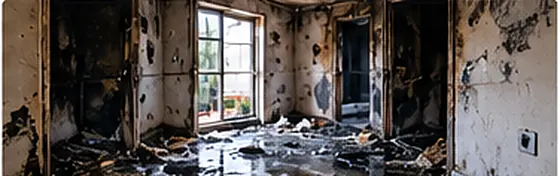
Perils commonly covered under standard homeowners policies include things like fire and lightning, windstorm and hail, theft, vandalism, and certain sudden and accidental water damage (such as a burst pipe). This is a general, illustrative list — not a guarantee of coverage for any specific event, and some of these perils may have their own sub-limits or separate deductibles, as covered in our deductible guide.
What Determines Your Actual Coverage
Whether a specific loss is covered ultimately depends on several factors together, not any one of them alone:
- Your policy form (which coverage categories and perils apply by default)
- Any endorsements you’ve added (which can add, modify, or remove coverage)
- Exclusions listed in your policy (see our companion guide on what homeowners insurance typically does not cover)
- Your coverage limits (the maximum payout for each category)
- Your deductible (what you pay before coverage applies)
- The specific circumstances of the loss itself
Homeowner Examples
- A tree falls on your roof during a storm: often covered under dwelling coverage, subject to your deductible.
- A guest slips on your icy front steps and is injured: potentially a liability and/or medical payments scenario.
- Your laptop is stolen from your car while traveling: personal property coverage may apply, sometimes at a reduced away-from-home limit.
- A kitchen fire damages your cabinets and makes your kitchen unusable: dwelling coverage for the structure, and possibly loss of use if you need to eat out more than usual during repairs.
These are illustrative examples only — actual coverage always depends on your specific policy and the details of the loss.
Homeowners Insurance Coverage Checklist
- Confirm your dwelling coverage reflects current rebuilding costs
- Check your other structures limit if you have a shed, detached garage, or fence
- Review your personal property limit, including any sub-limits for valuables
- Understand your loss of use / additional living expenses limit and time restrictions
- Confirm your liability and medical payments limits
- Ask whether your policy is named-peril or open-peril for each coverage section
- Read the exclusions section, or see our guide on what’s typically excluded
Frequently Asked Questions
What's the difference between dwelling coverage and other structures coverage?
Dwelling coverage generally applies to the main house itself, including attached structures like an attached garage. Other structures coverage generally applies to detached structures on your property, such as a shed, detached garage, or fence, and typically has its own separate, smaller coverage limit.
Does personal property coverage protect my belongings outside my home?
Many policies extend some personal property coverage to belongings temporarily away from home, such as items in your car or on a trip, though often at a reduced limit compared to what's covered inside your home. Check your specific policy for how it defines this.
What is loss of use or additional living expenses coverage?
This generally reimburses reasonable extra costs — like temporary housing, meals above your normal spending, or storage — if a covered loss makes your home temporarily uninhabitable while it's repaired. It typically has its own coverage limit and time restrictions, so it isn't unlimited.
Does homeowners insurance cover my dog if it bites someone?
Many homeowners policies include liability coverage that can apply to dog-bite or other pet-related injury claims, but this varies significantly by insurer, and some companies exclude certain dog breeds or require additional underwriting. If you have a pet, it's worth confirming directly with your insurer how your policy treats this.
What's the difference between named-peril and open-peril coverage?
A named-peril policy only covers causes of loss that are specifically listed in the policy — if it's not named, it's not covered. An open-peril (sometimes called "all-risk") policy covers everything except causes of loss that are specifically excluded, which generally makes it broader, though still not unlimited.
Does open-peril coverage mean everything is covered?
No. Open-peril coverage is broader than named-peril coverage, but every policy still lists specific exclusions — common examples include flood and earthquake damage, which almost always require separate coverage regardless of whether your policy is named-peril or open-peril.
How do I find out exactly what my policy covers?
Your declarations page will list your specific coverage categories and limits, and your full policy document will list the perils, exclusions, and any endorsements that apply. When in doubt, ask your agent or insurer directly rather than relying on general assumptions.