What Does Homeowners Insurance Not Cover? Common Exclusions Explained
Common homeowners insurance exclusions explained, including flood, earthquake, wear and tear, mold, and sewer backup — and how to fill the gaps.
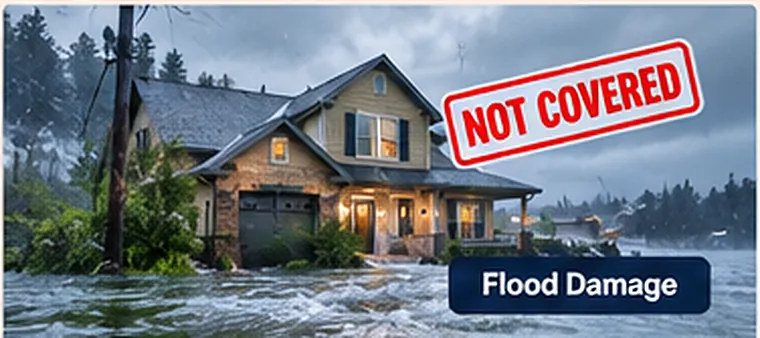
- Standard homeowners insurance generally excludes flood and earthquake damage — both typically require a separate policy or endorsement.
- Gradual problems like normal wear and tear, long-term maintenance neglect, and many pest issues are generally not covered, since insurance is designed for sudden, accidental loss.
- Mold and sewer/water backup are often excluded or covered only in limited circumstances, though optional endorsements may be available.
- Exclusions vary by policy, insurer, and state — this article describes common patterns, not a guarantee of how any specific policy is written.
This article is for general informational purposes and does not constitute financial, insurance, legal, or tax advice.
Table of Contents
- Why Homeowners Insurance Has Exclusions
- Flooding
- Earthquakes and Earth Movement
- Normal Wear and Tear and Maintenance Issues
- Pest Damage
- Mold (Under Certain Circumstances)
- Sewer and Water Backup
- Certain High-Value Property Limits
- Intentional Damage
- Business-Related Property and Liability
- How to Fill These Gaps
- Common Exclusions Checklist
Knowing what your homeowners policy covers is only half the picture — understanding what it typically doesn’t cover can prevent an unpleasant surprise after a loss. Here are the exclusions homeowners run into most often, and what’s generally available to fill those gaps.
Why Homeowners Insurance Has Exclusions
Homeowners insurance is generally built around sudden, accidental losses — not every possible risk to your property. Some risks are excluded because they’re considered the homeowner’s maintenance responsibility, some because they’re catastrophic and better handled through specialized programs (like flood insurance), and some because they’re simply outside what a standard policy is priced and designed to cover. Exclusions vary by policy, insurer, and state, so treat the list below as common patterns, not a guarantee of your own policy’s wording.
Flooding
Flood damage is generally excluded from standard homeowners policies, regardless of insurer. According to FEMA’s FloodSmart program, homeowners typically need a separate flood insurance policy — most often through the National Flood Insurance Program (NFIP) — to be protected against this risk. NFIP building policies and contents policies each carry their own coverage limits, and private flood insurance options also exist in many areas.
Earthquakes and Earth Movement
Standard homeowners policies generally exclude earth movement, which includes earthquakes, landslides, and similar events. The NAIC confirms that earthquake coverage typically requires either a separate policy — such as one through the California Earthquake Authority in that state — or an endorsement added to an existing policy, depending on where you live and which insurer you use.

Normal Wear and Tear and Maintenance Issues
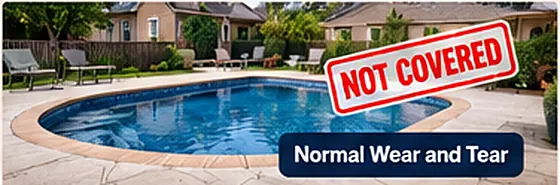
Gradual deterioration — an aging roof nearing the end of its useful life, worn-out plumbing, or a slowly failing water heater — is generally treated as a maintenance issue rather than an insurable, sudden loss. Insurers typically expect homeowners to maintain their property, and damage that results from neglecting known maintenance needs is commonly excluded.
Pest Damage
Damage from termites, rodents, and other pests is generally excluded, again because it’s typically viewed as a gradual, preventable issue rather than a sudden accidental event. Regular pest inspections and prompt treatment are usually the homeowner’s responsibility.
Mold (Under Certain Circumstances)
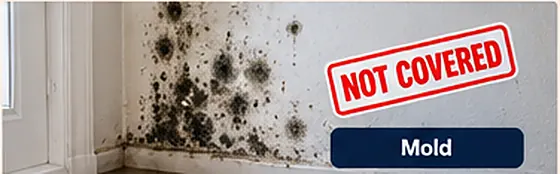
Mold coverage is one of the more nuanced exclusions. Mold that develops suddenly as a direct result of a covered event — for example, from a burst pipe you address quickly — may be covered, sometimes with a reduced sub-limit. Mold that develops gradually, such as from a slow leak left unaddressed over time, is typically excluded as a maintenance-related issue. If mold risk is a concern for your property, ask your insurer specifically how your policy treats it.
Sewer and Water Backup
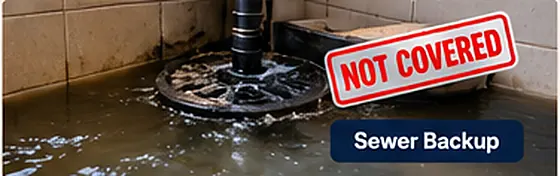
Water or sewage that backs up through a sewer, drain, or sump pump is commonly excluded from standard homeowners policies by default. Many insurers offer sewer and drain backup coverage as an optional endorsement for an added cost — worth checking if your area has older infrastructure or a history of backups.
Certain High-Value Property Limits
Standard personal property coverage often includes lower sub-limits for categories like jewelry, fine art, collectibles, or firearms — well below what a standard claim payout might otherwise reach. If you own items in these categories with significant value, a separate endorsement or “floater” policy is generally the way to make sure they’re adequately covered.
Intentional Damage
Damage that a policyholder causes intentionally is generally excluded from coverage — homeowners insurance is designed to protect against accidental and sudden losses, not deliberate acts.
Business-Related Property and Liability
If you run a business from your home, standard homeowners policies generally place limits on coverage for business-related property and typically exclude liability arising from business activities. Depending on the size and nature of the business, a separate business policy, a home-business endorsement, or both may be appropriate — this is worth discussing directly with your insurer.
How to Fill These Gaps
- Flood: A separate NFIP or private flood insurance policy.
- Earthquake: A separate earthquake policy or endorsement.
- Sewer/water backup: An endorsement on your existing policy, where available.
- High-value items: A scheduled personal property endorsement or floater.
- Home business: A business owner’s policy, in-home business endorsement, or both, depending on your situation.
Before assuming you’re uncovered for any of these, it’s worth a direct conversation with your agent — coverage availability and cost vary significantly by state and insurer, and some of these can be added to an existing policy without switching companies.
Common Exclusions Checklist
- Confirm whether you need separate flood insurance for your area
- Confirm whether you’re in an earthquake-risk area and whether you have coverage
- Understand that ongoing maintenance issues are generally your responsibility, not your insurer’s
- Ask specifically how your policy treats mold from a covered event versus gradual mold
- Check whether you have — or want — sewer/drain backup coverage
- Review your personal property sub-limits for jewelry, art, or collectibles
- Disclose any home-based business to your insurer and ask about coverage gaps
Understanding these gaps now — before you ever need to file a claim — is one of the most useful things a homeowner can do to avoid an unpleasant surprise later.
Frequently Asked Questions
Is flood damage ever covered by a standard homeowners policy?
Generally, no. According to FEMA's FloodSmart program, most homeowners insurance policies do not cover flood damage, and homeowners typically need a separate flood insurance policy, most commonly through the National Flood Insurance Program (NFIP), to be protected against this specific risk.
Do I need a separate policy for earthquake damage?
In most cases, yes. The NAIC notes that standard homeowners policies typically exclude earth movement, which includes earthquakes, and that earthquake coverage generally requires either a separate policy or an added endorsement, depending on your insurer and state.
Why doesn't homeowners insurance cover normal wear and tear?
Homeowners insurance is generally designed to cover sudden, accidental losses — not the gradual deterioration that comes from age or lack of maintenance. Insurers typically view ongoing upkeep, like maintaining a roof or plumbing system, as the homeowner's responsibility rather than an insurable event.
Is mold ever covered by homeowners insurance?
It depends on the circumstances and your specific policy. Mold that results directly from a sudden covered event — like a burst pipe you address quickly — may be covered, sometimes with a lower sub-limit. Mold that develops gradually, such as from a long-ignored leak, is typically excluded, since it's treated as a maintenance issue rather than a sudden loss.
What is sewer or water backup coverage, and do I have it?
Sewer and drain backup is commonly excluded from standard policies by default, since it's treated separately from other water damage. Many insurers offer it as an optional endorsement for an added cost. Check your declarations page, or ask your insurer directly, to see whether you already have this endorsement.
Are business-related belongings or activities covered under my homeowners policy?
Generally, homeowners policies place limits on coverage for business property and exclude liability related to business activities conducted from the home, though the specifics vary. If you run a business from home, ask your insurer whether you need a separate business policy or an endorsement.
Can I add coverage for things my homeowners policy excludes?
Often, yes. Many common exclusions — like earthquake, sewer backup, or additional valuable-items coverage — can be addressed through a separate policy or an endorsement added to your existing policy. Flood insurance almost always requires a fully separate policy rather than an endorsement.